How to Treat Acne & Blemish-Prone Skin

Your guide to understanding, managing and treating acne-prone skin 

From blackheads and the occasional blemish to unsightly and painful acne, breakouts are never fun. And sadly, these skin concerns are not confined to puberty as adult acne is an increasingly common complaint. 

Acne is a broad term that includes pimples, blackheads, whiteheads, and more severe cystic bumps. While there are a slew of causes behind breakouts, including hormonal changes, genetics, lifestyle factors like diet and stress, and even skincare products, essentially, pimples are the result of a combination of sebum (the natural oil our skin produces) and bacteria.    

So, what is the best way to achieve clearer, healthier skin and banish breakouts for good? 

What is Acne?   

Acne is an inflammatory disorder of the skin that occurs when hair follicles become plugged with oil and dead skin cells. In healthy skin, the sebaceous glands make sebum that empties onto the skin surface through the pore, which is an opening in the follicle. Acne is the result of hair, sebum, and keratinocytes sticking together inside the pore, preventing the keratinocytes from shedding and the sebum from reaching the surface of the skin.     

What Causes Blemishes and Acne?  

The underlying causes of acne are multiple and include both hormonal fluctuations and genetics (in other words, you may be more likely to get acne if your parents had acne), but there are also external triggers such as skin, hair, and makeup products and sunscreen, and even laundry detergents, toothpaste, preservatives, and fragrances. Friction on the skin (think the straps on your bike helmet or face masks) can also play a role. Another factor to consider is lifestyle. Things like a poor diet, stress, and a lack of healthy habits can also exacerbate breakouts.     

What Are the Best Treatments for Acne and Blemish Prone Skin?

At Skin Laundry, we take a medical approach to treating acne and blemish-prone skin. Our dermatologist-developed protocols are designed to target the root causes of acne—excess oil, bacteria, clogged pores and inflammation—rather than just masking symptoms. 

Through advanced treatments like our Signature Laser Facial and chemical peels, we help clear active breakouts, prevent future flare-ups and improve overall skin health for long-lasting results. 

Skin Laundry also offers tailored treatment courses for Hormonal Acne, Traditional Acne and Acne Scarring. Depending on your primary area of concern, dermatologist-designed protocols may include any of the following. 

Facials 

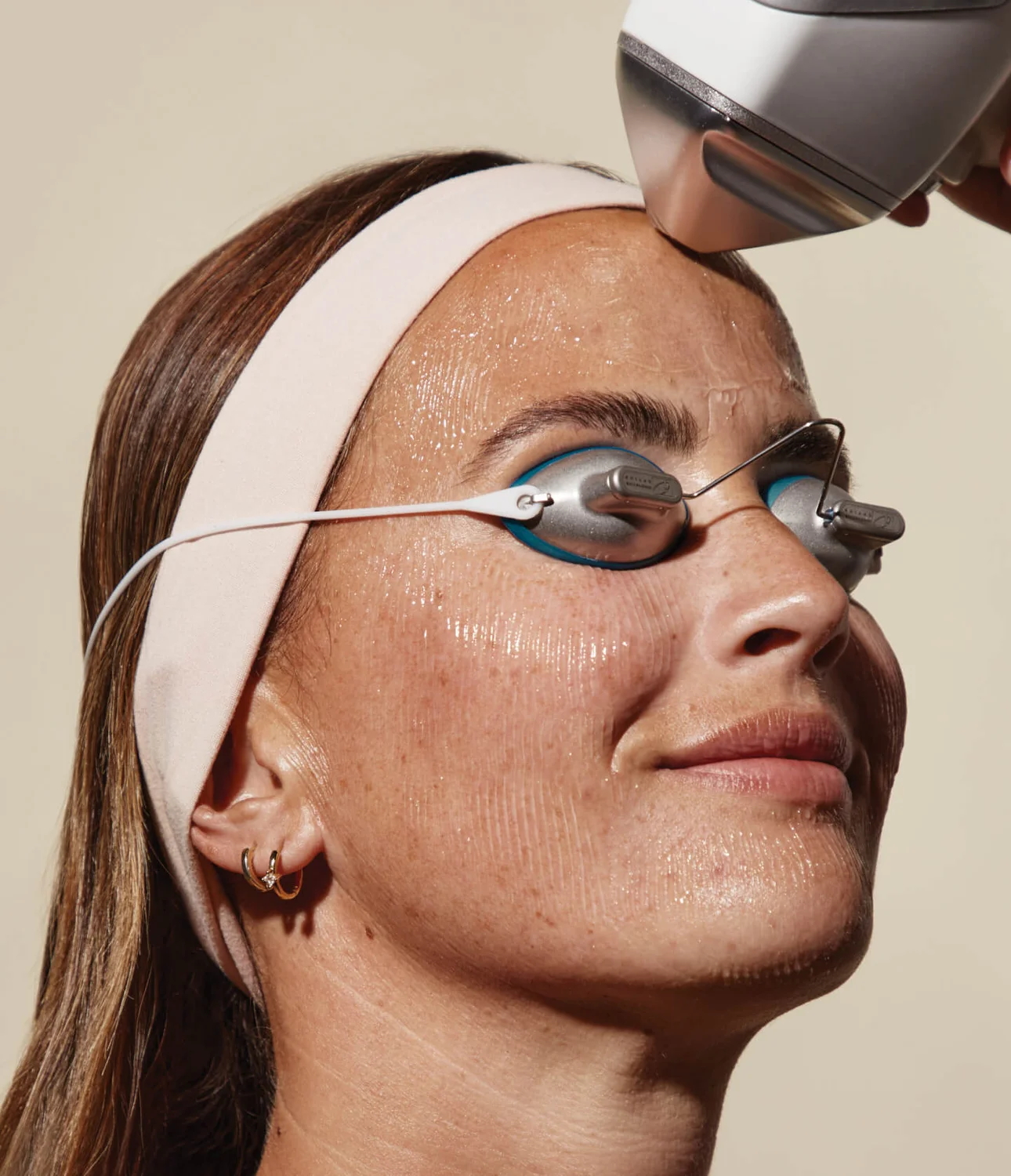
The Signature Laser Facial  

A safe, non-invasive and effective treatment for active acne and preventing future breakouts. It reduces pore size and sebum levels, reduces bacteria and inflammation and accelerates the healing process.  

Read more about our Signature Laser Facial here

The Power Signature Facial  

Recommended for active and hormonal acne, this powered-up version of our original hero treatment helps reduce sebum, bacteria and inflammation.  

Read more about the Power Signature Facial here. 

The Power Resurfacing Facial  

Ideal for acne scarring, this advanced resurfacing treatment improves texture, minimizes pores and smooths residual post-acne marks.  

Read more about the Power Resurfacing Facial here

Chemical Peels 

Rejuvenator Peel  

This gentle chemical peel, formulated with growth factors and exfoliating acids, detoxifies, balances oil, tightens pores and offers anti-inflammatory benefits.  

Revitalizer Peel  

A detoxifying carbon peel that balances oil and refines pores for clearer skin. It breaks up dead skin cells, tightens enlarged pores and delivers anti-inflammatory benefits. Read more about our Peels here

Enhancements 

Cell Regenerator 

Infused with PDRN, exosomes, snail mucin and plant stem cells, this two-step, serum-and-mask treatment supports skin repair and cell turnover for breakout prevention.  Read more about Cell Regenerator here

Illuminator 

This topical brightening serum, made with evens out skin tone and reduces post-acne discoloration.  Read more about Illuminator here. 

“We take a medical approach to treating acne and blemishes with dermatologist-developed protocols.”

What is the Best Skincare Routine for Acne and Blemish Prone Skin?  

The first step when trying to tackle acne is to adopt a consistent skincare routine that targets the causes of this skin condition.     

Cleanse twice a day upon waking and before bedtime. To further reduce the chance of a breakout, also wash your face after a sweaty activity or use micellar cleansing wipes. Avoid using a washcloth, as these can harbor bacteria. Instead, use clean fingertips to wash the face and apply any product.     

Use an alcohol-free toner to balance the skin’s pH and support barrier function.     

Use a moisturizer after cleansing. Healthy skin is hydrated skin. While it may seem counterintuitive, studies show that even acne-prone individuals will break out less if the skin is well hydrated, as dryness prompts the skin to produce more oil, which can lead to clogged pores and further acne.        

Wear broad-spectrum sunscreen every day. Regardless of skin type, everyone, including teens, should be wearing sunscreen as the last step of their skincare routine to protect the skin from sun damage and the risk of skin cancer.        

Do not pick at pimples. This will not only spread bacteria to other areas on the face, but also cause hyperpigmentation and scarring. Dermatologists recommend hydrocolloid pimple patches to absorb excess oil and impurities from pimples while creating a protective barrier to keep bacteria out.       

Change your pillowcase regularly. If you have oily or acne-prone skin, change your pillowcase every three to four days, as oil, sebum, and bacteria can build up on the fabric. Avoid using fabric softener or dryer sheets when laundering your bedding as these products may contain chemicals and fragrance that can cause irritation and inflammation, potentially worsening acne flare-ups, and also leaving behind a waxy residue on fabric that can clog pores.   

Clean your makeup brushes regularly. Bacteria builds up in the bristles and gets pressed directly into your pores every time you apply makeup. A quick weekly wash makes a real difference. 

Keep your skincare routine simple and consistent. Mixing too many active ingredients may only further irritate acne-prone skin. To support and care for acneic skin our medical team created Skin Rxa streamlined, concern-based system that takes the guesswork out of your daily routine.  

Shop the edit here.  

Doctor’s Note  

Have a teen with acne? Our Teen Acne Program was designed to take the guesswork out of treating breakouts and blemishes. We offer personalized, dermatologist-designed solutions for clients aged 13 to 20, so you and your teen can relax, knowing they’re on a proven path to clearer skin.   

Join the Teen Acne Program 

Recent Posts

Why Your Skincare Routine Shouldn’t End With the Face

Why Your Skincare Routine Shouldn’t End With the Face, According to a Dermatologist Without proper skincare, the décolletage can show early signs of aging. Here’s how to keep it radiant and firm. ...
Laser Facials vs. Accutane: Which Acne Treatment Is Right for You?

Laser Facials vs. Accutane: Which Acne Treatment Is Right for You? A board-certified dermatologist explains how these two popular acne treatments compare—including what to expect and the pros and cons...

All About Acne and Blemish Prone Skin

How to Treat Acne & Blemish-Prone Skin Your guide to understanding, managing and treating acne-prone skin  From blackheads and the occasional blemish to unsightly and painful acne, breakouts are...
How to Prevent and Treat Acne Scarring

How to Prevent and Treat Acne Scarring Scarring is a common result of teen and adult acne, but it’s not inevitable. A board-certified dermatologist shares expert tips for acne scar prevention and...