How to Prevent and Treat Acne Scarring

Scarring is a common result of teen and adult acne, but it’s not inevitable. A board-certified dermatologist shares expert tips for acne scar prevention and improving scars’ appearance.
Acne is hardly rare. According to Yale Medicine, the inflammatory skin disorder affects some 85 percent of people aged 12 to 24 and close to 40 percent of adults. While breakouts are synonymous with the condition, acne can also lead to long-term effects like scarring. This can leave a lasting mark on the skin—and on confidence. The good news? Acne scars—whether from your teen years or more recent breakouts—can be treated and even prevented. And, with the right knowledge and access to safe, effective products and treatments, you can minimize, correct or stop acne scarring before it starts. Read on to learn more about preventing and treating acne scarring.

What Causes Acne Scarring? 

First, it’s important to understand how acne scars form. Not all breakouts leave a mark on the skin, but more inflammatory acne typically does. As Dr. Roberta Del Campo—Skin Laundry’s Chief Medical Officer and a board-certified dermatologist—explains: “Uncontrolled inflammation in the skin can lead to the loss of collagen and the stimulation of excess melanin, which both contribute to the formation and appearance of acne scars.” According to Del Campo, the severity of acne scars can depend on how long an acne spot has been on the skin. It will also depend on how inflamed—or large, tender and/or red—the spot is.

Types of Acne Scars 

The way that acne scars are formed affects how they show up on the skin. For example, collagen and elastin degradation cause atrophic scars, which include the following: Boxcar scars: A round or oval depression in the skin with well-defined edges. Icepick scars: Deeper, narrow depressions in the skin that have a V-shape. Rolling scars: Bands of scar tissue in the deeper layers of the skin that cause an uneven, rolling appearance on the surface of the skin. Hypertrophic scars, on the other hand, are caused by an abnormal increase in collagen production. This can occur during the wound-healing process that skin undergoes in response to acne-related inflammation. Hypertrophic scars are typically raised and thickened, with well-defined borders. They may be red, pink or shiny. There are also acne scars that involve pigment. Del Campo explains that post-inflammatory erythema (flat red spots) tends to be more common in fair-skinned individuals, while post-inflammatory hyperpigmentation, or flat brown spots, predominantly affects those with olive or deeper skin tones. The acne scars that are toughest to treat, according to Del Campo, are icepick scars. These extend deep into the dermis, which makes it difficult for many topical or energy-based treatments to target the scar at its root. In short, not all acne scars are the same, and there’s no one-size-fits-all approach to treating them. That’s why at Skin Laundry, we offer a range of advanced facials and Enhancements designed to minimize and correct all types of acne scars, while preventing future damage.

“When we are young, our collagen remodeling is at its maximum, so working on acne scarring at a younger age can help minimize long-term effects.”

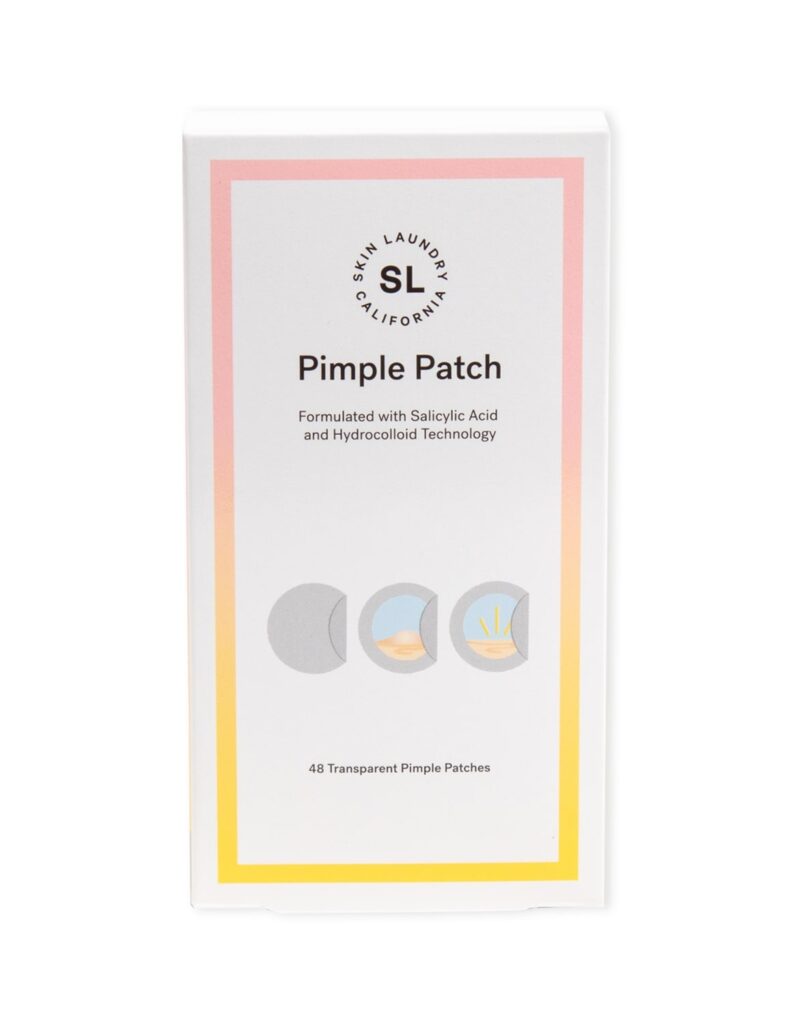
A white box of Skin Laundry Pimple Patches, featuring the brand logo, product name, and text indicating it's "Formulated with Salicylic Acid and Hydrocolloid Technology." It also shows "48 Transparent Pimple Patches" and three illustrative icons for patch effects.

How to Prevent Acne Scarring 

Taking a proactive approach to acne and acne scarring, particularly in the teenage years, can help minimize acne’s long-term effects and establish sound skincare habits for life.

“When we are young, our collagen remodeling is at its maximum, so working on acne scarring at a younger age can help minimize long-term effects,” Del Campo notes. That said, adults can also see significant improvement in acne scars with a proper treatment plan.

According to Del Campo, it is crucial for teens—or anyone with active breakouts—to avoid aggravating inflamed skin, which can cause more significant acne scarring. The first rule of thumb? “Stay away from drying, harsh products or treatments,” Del Campo warns. “Instead, focus on soothing the skin and trying to minimize inflammation.”

To do so, she recommends using products that contain niacinamide, a well-tolerated vitamin B3 derivative that regulates sebum production and evens out the skin tone. She also suggests using an over-the-counter hydrocortisone to spot-treat inflamed areas. Read more about Niacinamide here.

Additionally, “Try to avoid picking or squeezing the pimple as that can lead to increased inflammation and worsen a future scar,” Del Campo says. Wearing a hydrocolloid pimple patch can help prevent picking and reduce redness and irritation.

These topical treatments work best when paired with Skin Laundry’s dermatologist-designed treatment plans. The targeted protocols combine our energy-based Resurfacing Facials with medical-grade Enhancements to correct uneven texture and scarring caused by acne.

“Acne scars come in many forms, and Skin Laundry’s cutting-edge services are geared towards minimizing, correcting and preventing them.”

assets_535574b6b84f4fe8bc72be87a676aca8_0747f2f69b02472aabc0196710752e30

The Best Skin Laundry Facials to Treat Acne Scarring  

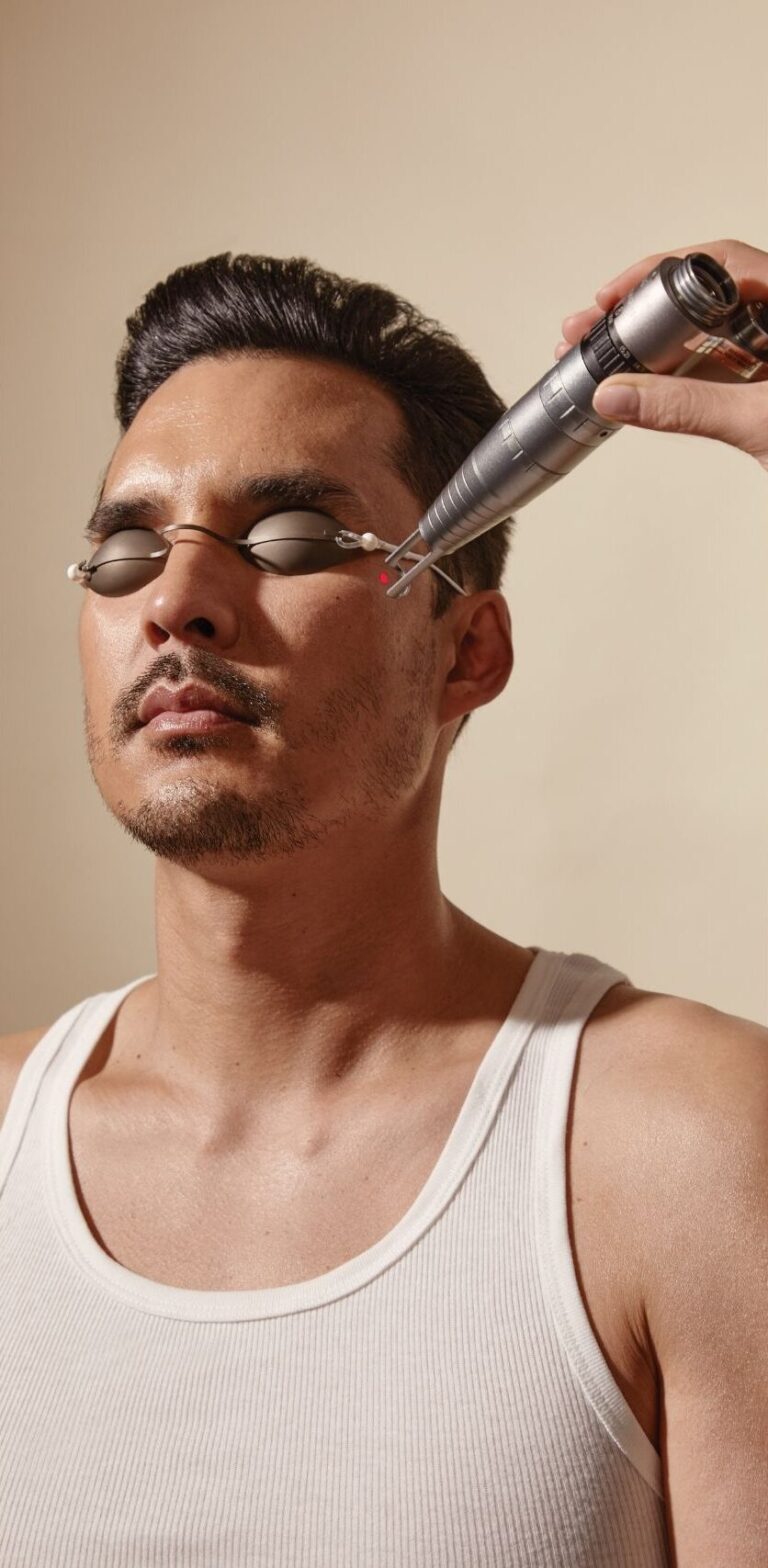
Our top treatment for improving the appearance of uneven texture and acne scarring is the Resurfacing Facial. This treatment uses a nanofractional RF resurfacing device that offers the benefits of CO₂ lasers, microneedling and chemical peels—but with significantly less downtime. Along with acne scars, the Resurfacing Facial addresses common concerns that often accompany acne, like hyperpigmentation, uneven skin texture and enlarged pores. 

Nanofractional RF technology works by delivering controlled heat through tiny pins that penetrate the skin’s surface. This creates minuscule micro-injuries that activate the body’s natural healing response. As the skin repairs these tiny wounds, it stimulates the production of fibroblasts, which in turn boosts collagen and elastin production. A series of these resurfacing treatments delivers the best results, creating a smoother, healthier and more even-toned complexion. 

For clients seeking faster, more intensive results for sever acne scarring, our Power Resurfacing Facial uses the same advanced technology but delivers twice the energy, accelerating collagen production and skin renewal for more rapid improvements. 

Skin Laundry also offers Resurfacing Facials for the Neck & Chest, areas which may also be affected by acne scars. 

See a real client’s journey to correct acne scarring here.  

2.jpg

The Best Skin Laundry Enhancements to Treat Acne Scarring 

To amplify the benefits of your Facial and address your unique skin concerns, your provider can also recommend the most effective Skin Laundry Enhancements to add on to your treatment. These curated medical-grade services are designed to work with your Facial, boosting its impact while targeting secondary concerns such as uneven tone, hydration and pigmentation. By pairing your treatment with one or more of these Enhancements, you’ll not only accelerate your results but also support overall skin health and resilience—creating a truly holistic approach to glowing skin

Revitalizer: This deep-cleansing carbon peel is designed to remove oil, debris and bacteria, stimulate collagen production and improve overall skin quality for smoother, brighter, fresher skin. Formulated with a blend of glycolic, ferulic, mandelic and lactic acids, this non-invasive, topical treatment breaks up dead skin cells, detoxifies and tightens enlarged pores and delivers antioxidant and anti-inflammatory benefits.

Fixer: This topical peptide-based serum boosts collagen and elastin production for a smoothing and firming effect while also minimizing the appearance of fine lines, wrinkles and enlarged pores.

Illuminator: This topical serum gently lightens post-inflammatory hyperpigmentation left behind by breakouts to deliver a brighter, more luminous complexion in all skin tones—it can also be cocktailed with Fixer for enhanced results.

 Book a Treatment  

Doctor’s Note

Acne scars don’t form overnight, and treating acne scarring effectively requires patience and consistency. But the results—clear, beautiful skin and the confidence that comes with it—are worth the commitment. Skin Laundry’s Laundry Club memberships are designed to keep you on track. Learn more about our memberships here.

Recent Posts

Why Your Skincare Routine Shouldn’t End With the Face

Why Your Skincare Routine Shouldn’t End With the Face, According to a Dermatologist Without proper skincare, the décolletage can show early signs of aging. Here’s how to keep it radiant and firm. ...

Laser Facials vs. Accutane: Which Acne Treatment Is Right for You?

Laser Facials vs. Accutane: Which Acne Treatment Is Right for You? A board-certified dermatologist explains how these two popular acne treatments compare—including what to expect and the pros and cons...

All About Acne and Blemish Prone Skin

How to Treat Acne & Blemish-Prone Skin Your guide to understanding, managing and treating acne-prone skin  From blackheads and the occasional blemish to unsightly and painful acne, breakouts are...

How to Prevent and Treat Acne Scarring

How to Prevent and Treat Acne Scarring Scarring is a common result of teen and adult acne, but it’s not inevitable. A board-certified dermatologist shares expert tips for acne scar prevention and...